The Science of Safety: Why NFC Can't Magnetize Your Watch
Jan 2, 2026
5 min read
You're evaluating Digital Product Passport solutions for your watches. EU compliance is approaching, and customer authentication is essential. But one question stops the conversation cold: "Will NFC chips magnetize our movements?"
This isn't an unreasonable concern. You've spent decades—perhaps centuries—perfecting mechanical movements. The idea of embedding electronic components near these delicate mechanisms feels risky.
But here's what we've learned from extensive research into electromagnetic physics, materials science, and industry precedent: NFC and magnetization operate in completely different electromagnetic domains. In the next 5 minutes, we'll explain why—and clarify the real risks your customers face.
How Magnetization Actually Works
It's not as simple as "magnetic field near metal." To magnetize a hairspring, ALL three conditions must be met simultaneously. If even one fails, magnetization is physically impossible.
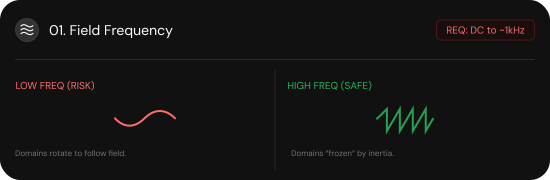


NFC at 13.56 MHz: A Different Realm
NFC operates in a completely different electromagnetic realm than the forces that threaten watches. It fails all three magnetization conditions by massive margins.

The Nuance: Location Matters
We must be honest: Smartphones DO pose a magnetization risk. But not how you think. The risk isn't from the NFC scan—it's from sustained proximity. To understand why, we need to look at the anatomy of a modern phone.
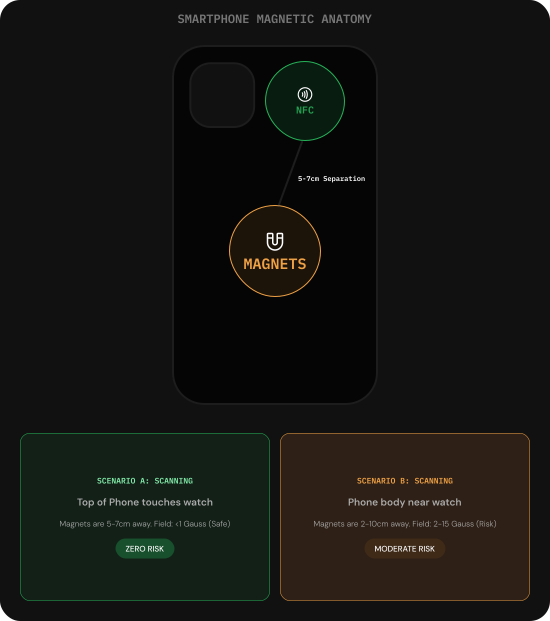
"The scanning process is safe because the magnets aren't in the scanning position. The real risk is sustained proximity in pockets—something your customers already manage daily."
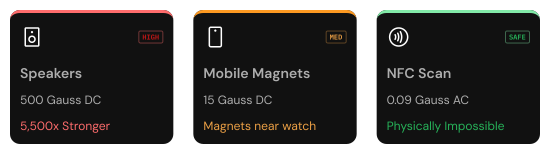
Risk Comparison Matrix
Every Material is Safe
13.56 MHz prevents domain alignment regardless of the material. However, modern materials provide even greater redundancy against the DC threats in daily life.

The Verdict

Ready to explore the Business Case?
The physics is clear. Now discover how Digital Product Passports transform customer relationships and ensure EU compliance.